While consulting provides excellent income potential, it faces a fundamental limitation: your earnings are directly tied to your available time. The most successful cloud professionals eventually transition from selling time to building scalable businesses that generate revenue independent of their direct involvement. These businesses leverage cloud expertise to create products, platforms, and systems that produce ongoing income whilst building substantial long-term wealth.
This week, we’re exploring advanced business strategies that move beyond traditional consulting into product development, platform creation, and passive income generation. Whether you’re looking to supplement consulting income or build your next major business venture, these approaches will help you create scalable value from your cloud expertise whilst achieving true financial independence.
The Scalability Challenge: From Time-Based to Asset-Based Income
Traditional consulting faces inherent scalability limitations that prevent most professionals from achieving substantial wealth accumulation. Even at premium daily rates of £1,500, individual consultants face capacity constraints that limit annual earnings potential to £200,000-£300,000 before accounting for business development time, administrative overhead, and market fluctuations.
Understanding Income Scalability Models
Linear Income Limitations Time-based consulting creates linear income relationships where increased earnings require proportionally increased time investment. This model provides good immediate income but limited wealth accumulation potential and requires continuous active participation.
Leveraged Income Opportunities Scalable businesses create leveraged income where initial effort generates ongoing returns through products, platforms, or systems that operate independently. These models enable wealth accumulation whilst providing operational flexibility and reduced time dependency.
Asset-Based Wealth Creation The most successful cloud entrepreneurs build businesses that become valuable assets capable of generating income, attracting investment, or providing acquisition opportunities. These assets create wealth beyond immediate income whilst enabling strategic exit opportunities.
Product Development Strategies: Turning Expertise into Scalable Solutions
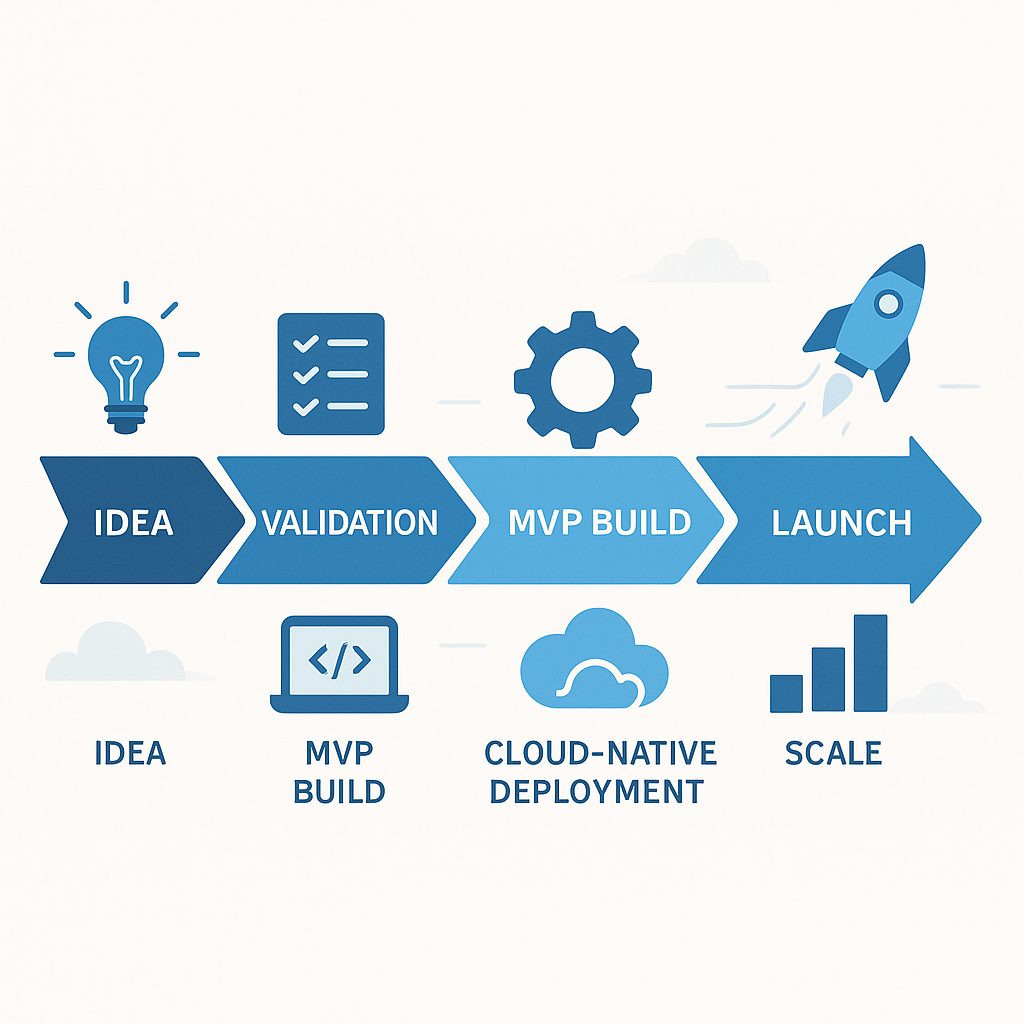
Cloud expertise provides excellent foundation for developing software products, training programs, and digital services that address market needs whilst generating scalable revenue streams.
Software as a Service (SaaS) Development
Market Opportunity Analysis The global cloud management software market exceeds £15 billion annually, with numerous niche opportunities for specialized solutions addressing specific operational challenges, compliance requirements, or industry-specific needs.
Problem Identification and Validation Successful SaaS products solve genuine problems experienced by cloud professionals or organizations implementing cloud solutions. Your consulting experience provides unique insights into operational pain points, inefficiencies, and unmet needs that represent product opportunities.
Cloud Cost Optimization Platforms Organizations struggle with cloud cost management, creating opportunities for tools that provide spending visibility, optimization recommendations, automated cost controls, and budget management capabilities. These solutions can command £500-£5,000 monthly subscriptions depending on organizational size and features.
Security and Compliance Tools Cloud security monitoring, compliance reporting, and audit preparation tools address universal organizational needs whilst leveraging specialized expertise. Security-focused SaaS products often achieve higher valuations due to critical business importance and customer retention rates.
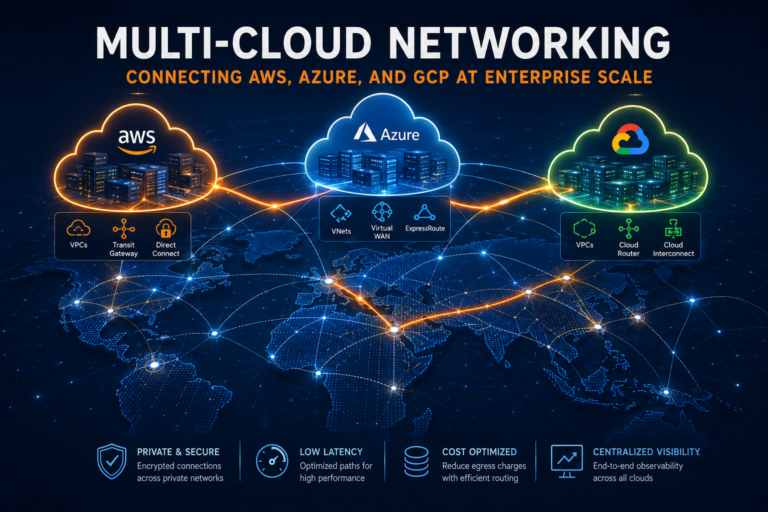
Multi-Cloud Management Solutions As organizations adopt multi-cloud strategies, management tools that provide unified visibility, policy enforcement, and operational control across platforms become increasingly valuable. These complex solutions justify premium pricing whilst creating significant competitive barriers.
Development Approaches and Technical Strategies
Minimum Viable Product (MVP) Development Focus initial development on core functionality that addresses primary customer problems rather than comprehensive feature sets. MVP approaches enable faster market validation whilst reducing initial development costs and time investment.
Cloud-Native Architecture Implementation Leverage cloud platforms for product development using serverless computing, managed databases, and platform services that minimize operational overhead whilst providing scalability and reliability. This approach reduces infrastructure costs whilst enabling focus on business logic.
API-First Development Strategy Design products with API-first architectures that enable integration with existing customer systems and workflows. This approach increases product value whilst creating customer switching costs that improve retention rates.
Training and Education Business Development
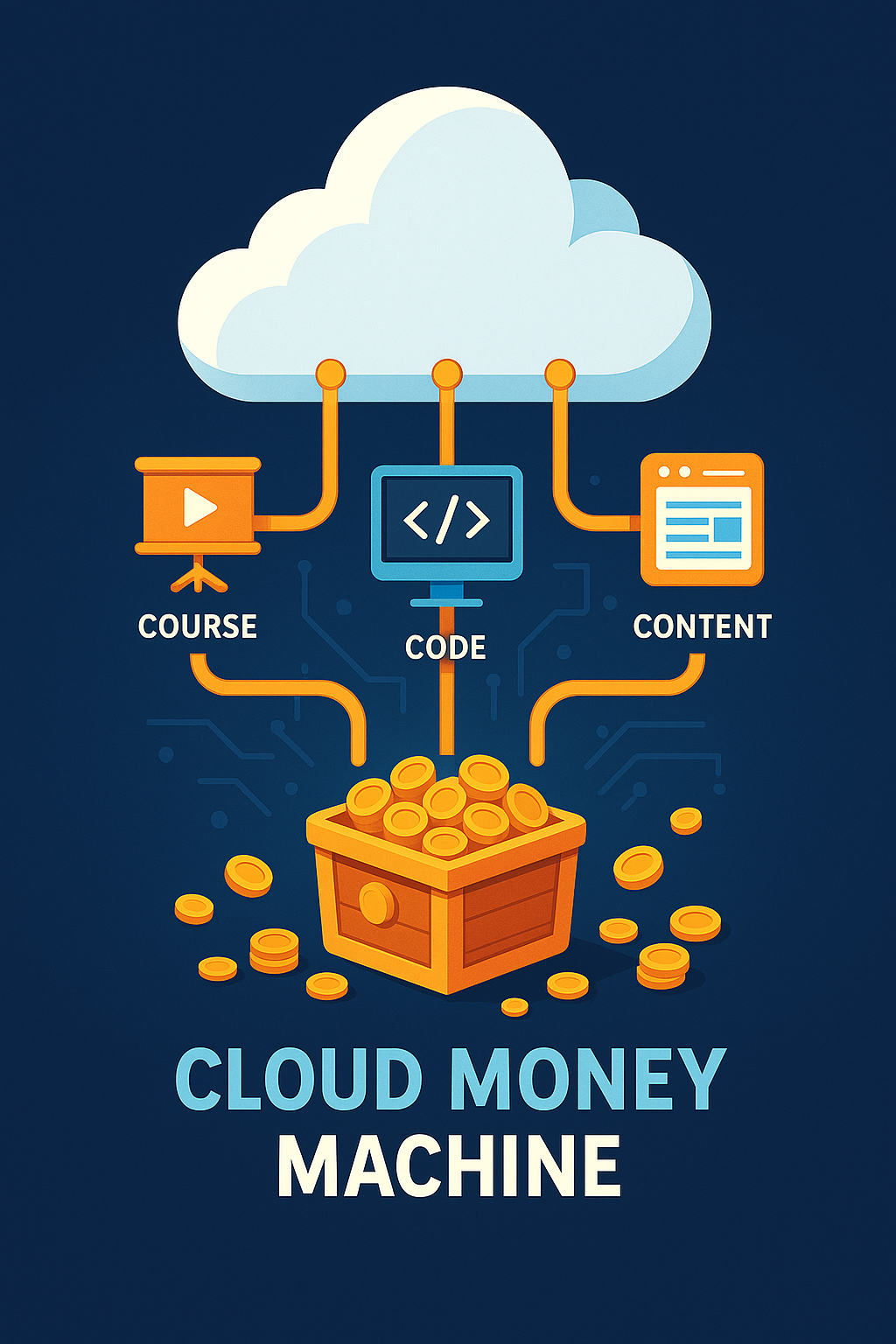
Online Course Creation and Monetization Transform cloud expertise into comprehensive online learning programs that generate passive income whilst establishing thought leadership and credibility. Successful courses can achieve £5,000-£50,000 monthly revenue depending on topic, quality, and marketing effectiveness.
Certification Preparation Programs Develop specialized training programs that help professionals prepare for cloud certifications through structured curricula, practice environments, and mentoring support. These programs can command £500-£2,500 per participant whilst building professional relationships.
Corporate Training and Enterprise Programs Create standardized training curricula that can be delivered to enterprise clients through workshops, online programs, or blended learning approaches. Corporate training contracts often exceed £25,000-£100,000 annually whilst providing predictable revenue streams.
Platform Business Models: Creating Cloud-Enabled Marketplaces
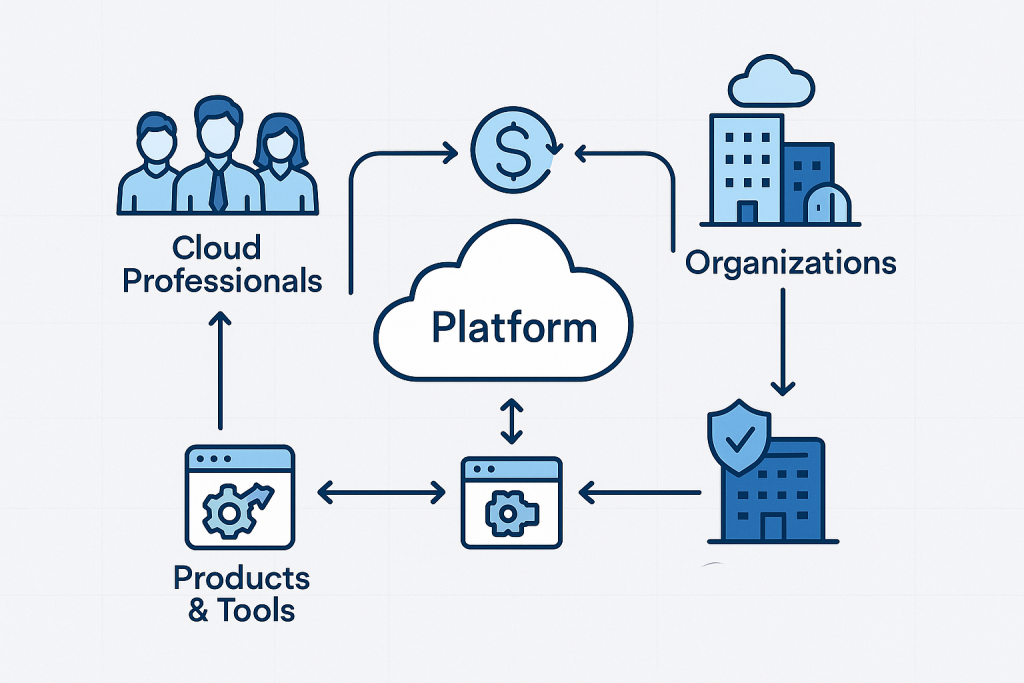
Platform businesses that connect cloud professionals with organizations or facilitate cloud-related transactions can achieve exceptional scale whilst generating revenue through transaction fees, subscriptions, or marketplace commissions.
Professional Services Marketplaces
Cloud Talent Marketplace Development Create platforms that connect certified cloud professionals with organizations needing project-based expertise. These marketplaces can generate revenue through transaction fees (10-20%), subscription models, or premium service offerings.
Specialized Skill Matching Focus on specific cloud specializations such as security, compliance, or industry-specific implementations to create differentiated value for both professionals and organizations seeking expertise.
Quality Assurance and Verification Systems Implement comprehensive verification systems including certification validation, project portfolio review, and client feedback mechanisms that ensure platform quality whilst justifying premium positioning.
Cloud Resource and Tool Marketplaces
Infrastructure Template Marketplace Develop platforms where cloud architects can sell infrastructure templates, automation scripts, and deployment configurations to organizations implementing similar solutions. These digital products can generate ongoing royalty income.
Monitoring and Analytics Template Libraries Create marketplaces for specialized monitoring configurations, dashboard templates, and analytics frameworks that address specific industry or use case requirements.
Compliance and Governance Frameworks Develop libraries of compliance frameworks, policy templates, and governance structures that organizations can purchase and customize for their specific requirements.
Community and Content Platforms
Premium Cloud Community Development Build subscription-based communities that provide access to expert knowledge, exclusive content, networking opportunities, and professional development resources. These communities can achieve £50-£200 monthly subscription fees.
Technical Content Syndication Create platforms that aggregate and distribute premium technical content from cloud experts whilst generating revenue through subscriptions, advertising, or content licensing arrangements.
Mentoring and Coaching Platforms Develop platforms that facilitate mentoring relationships between experienced cloud professionals and those developing expertise, generating revenue through session fees or subscription models.
Digital Product Development: Leveraging Content and Intellectual Property
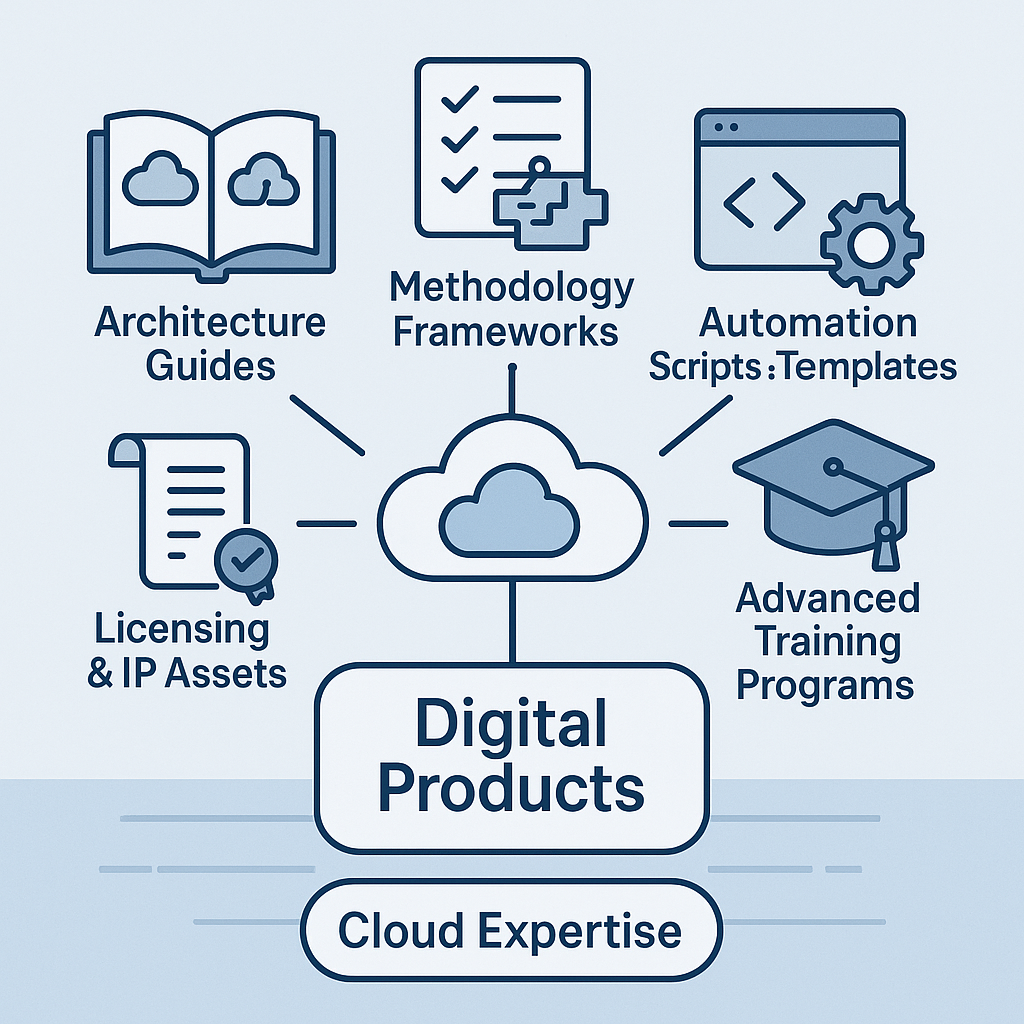
Digital products provide excellent scalability potential whilst leveraging existing expertise and content creation capabilities without requiring complex software development or operational infrastructure.
Premium Content and Resource Development
Comprehensive Architecture Guides Develop detailed architecture guides for specific industries, use cases, or compliance requirements that provide step-by-step implementation guidance, best practices, and template resources. These guides can command £200-£2,000 pricing depending on scope and specialization.
Implementation Methodology Documentation Package your consulting methodologies into comprehensive documentation that other consultants or organizations can license and implement. These intellectual property assets can generate ongoing licensing revenue whilst establishing industry credibility.
Template and Automation Libraries Create comprehensive libraries of infrastructure templates, automation scripts, monitoring configurations, and operational procedures that organizations can purchase for immediate implementation. Focus on industry-specific or compliance-focused templates for premium positioning.
Advanced Training Program Development
Mastermind and Cohort Programs Develop intensive training programs that combine online learning with live instruction, peer interaction, and ongoing mentoring support. These premium programs can command £2,000-£10,000 per participant whilst building strong professional relationships.
Executive Education and C-Suite Programs Create specialized programs that educate senior executives and board members about cloud strategy, risk management, and business value realization. These high-value programs address critical education gaps whilst justifying premium pricing.
Train-the-Trainer Certification Programs Develop programs that certify other professionals to deliver your training content, creating scalable revenue streams through licensing fees whilst expanding market reach without direct time investment.
Content Monetization Strategies
Subscription-Based Technical Publications Create premium newsletters, research reports, or analysis publications that provide ongoing value to subscribers through market insights, technical guidance, and strategic recommendations. Monthly subscriptions of £50-£500 can generate substantial recurring revenue.
Webinar and Virtual Event Programs Develop regular webinar series or virtual events that combine education with networking opportunities, generating revenue through ticket sales, sponsorships, or premium access tiers.
Podcast Monetization and Sponsorship Build audiences through regular podcast content that can be monetized through sponsorships, premium content tiers, or related product sales whilst establishing thought leadership and professional credibility.
Investment and Acquisition Strategies
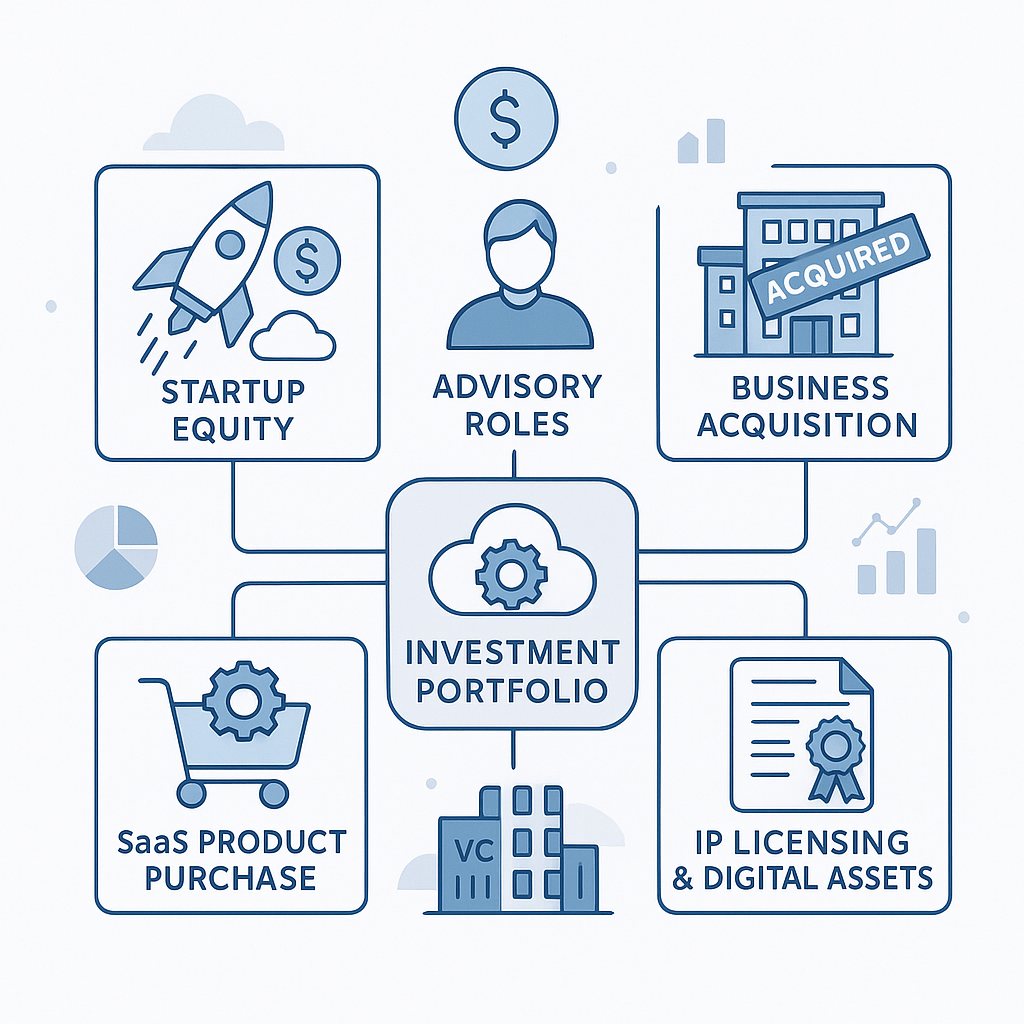
Cloud expertise provides unique advantages for technology investments, business acquisitions, and strategic partnerships that can accelerate wealth accumulation whilst diversifying income sources.
Technology Investment Opportunities
Early-Stage Startup Investment Leverage industry expertise to identify and invest in early-stage cloud technology companies. Your domain knowledge provides significant advantages in due diligence, market assessment, and value-add capabilities that can improve investment returns.
Angel Investment and Advisory Roles Combine financial investment with advisory services to provide strategic guidance whilst building equity positions in growing technology companies. These relationships often provide substantial returns whilst expanding professional networks.
Venture Capital and Private Equity Participation Participate in larger investment funds as limited partner or technical advisor, providing industry expertise whilst accessing professionally managed investment opportunities with potential for significant returns.
Business Acquisition and Growth Strategies
Consulting Business Consolidation Acquire complementary consulting businesses to expand service capabilities, geographic reach, or client base whilst achieving operational efficiencies and improved market positioning.
Technology Asset Acquisition Purchase existing SaaS products, training programs, or content libraries that can be improved, expanded, or integrated with existing business operations for accelerated growth.
Strategic Partnership and Joint Venture Development Develop partnerships with other technology companies, consulting firms, or training organizations that provide mutual benefits whilst reducing individual risk and investment requirements.
Real Estate and Alternative Investments
Commercial Real Estate Investment Technology professionals often invest in commercial real estate that provides steady income whilst building long-term wealth. Focus on properties that benefit from technology trends or serve technology companies.
Cryptocurrency and Digital Asset Investment Cloud expertise provides unique insights into blockchain technology and cryptocurrency infrastructure that can inform investment decisions in this emerging asset class.
Intellectual Property Investment Purchase or license valuable intellectual property including patents, trademarks, or content libraries that can generate ongoing revenue whilst appreciating in value.
Advanced Business Development and Growth Strategies
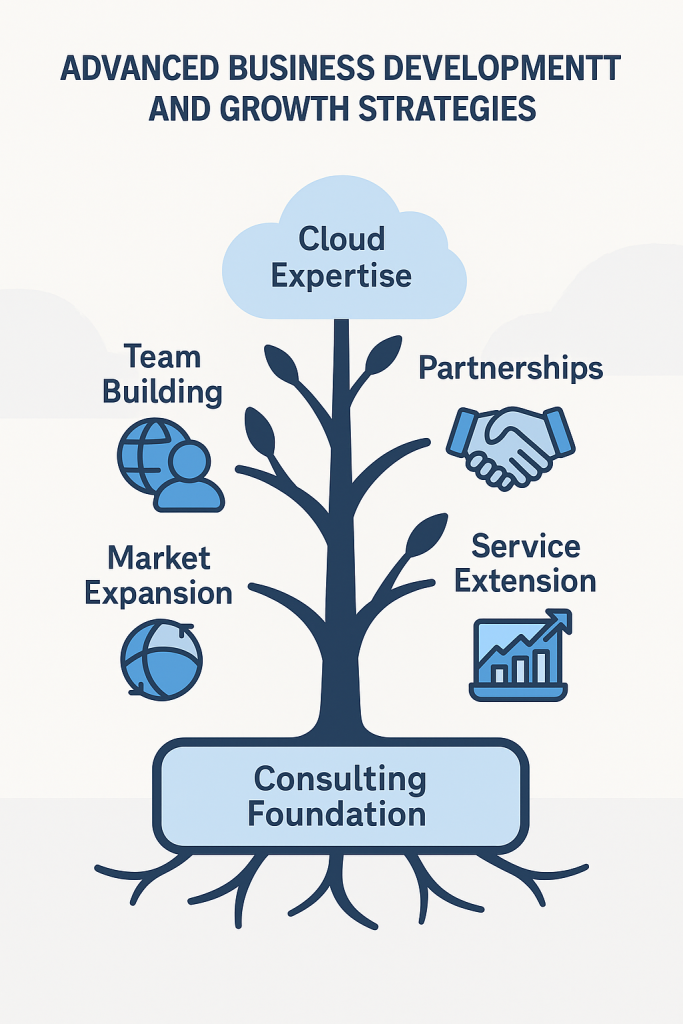
Scaling beyond individual consulting requires sophisticated business development approaches that leverage technology, partnerships, and systematic growth strategies.
Team Building and Organizational Development
Strategic Hiring and Capability Expansion Build teams that complement your expertise whilst enabling service expansion and capacity growth. Focus on hiring for skills gaps rather than simply adding capacity to avoid operational inefficiencies.
Remote Team Management and Global Talent Access Leverage remote work capabilities to access global talent pools whilst reducing operational costs. Cloud expertise enables effective remote team management through understanding of collaboration tools and distributed systems.
Performance Management and Incentive Alignment Implement performance management systems that align team incentives with business objectives whilst ensuring quality standards and client satisfaction. Consider equity participation for key team members to ensure long-term commitment.
Strategic Partnership Development
Technology Vendor Partnerships Develop deeper relationships with cloud platform vendors that provide access to joint marketing opportunities, technical resources, and preferred partner programs that enable competitive advantages.
Channel Partnership Programs Create channel partner programs that enable other consultants or organizations to sell your products or services whilst expanding market reach without direct sales investment.
Strategic Alliance Development Build alliances with complementary businesses that provide mutual referral opportunities, joint service delivery, or combined market approaches that benefit all parties whilst reducing individual business development costs.
International Expansion and Market Development
Geographic Market Expansion Leverage cloud technology to expand into international markets through remote service delivery, local partnerships, or subsidiary establishment in target regions with strong cloud adoption growth.
Industry Vertical Expansion Apply cloud expertise to new industry verticals that present opportunities for specialized solutions, compliance expertise, or operational improvements that justify premium pricing.
Service Line Extension Expand beyond core cloud services into related areas such as data analytics, artificial intelligence, cybersecurity, or digital transformation that leverage existing expertise whilst addressing broader market needs.
Passive Income Strategy Implementation
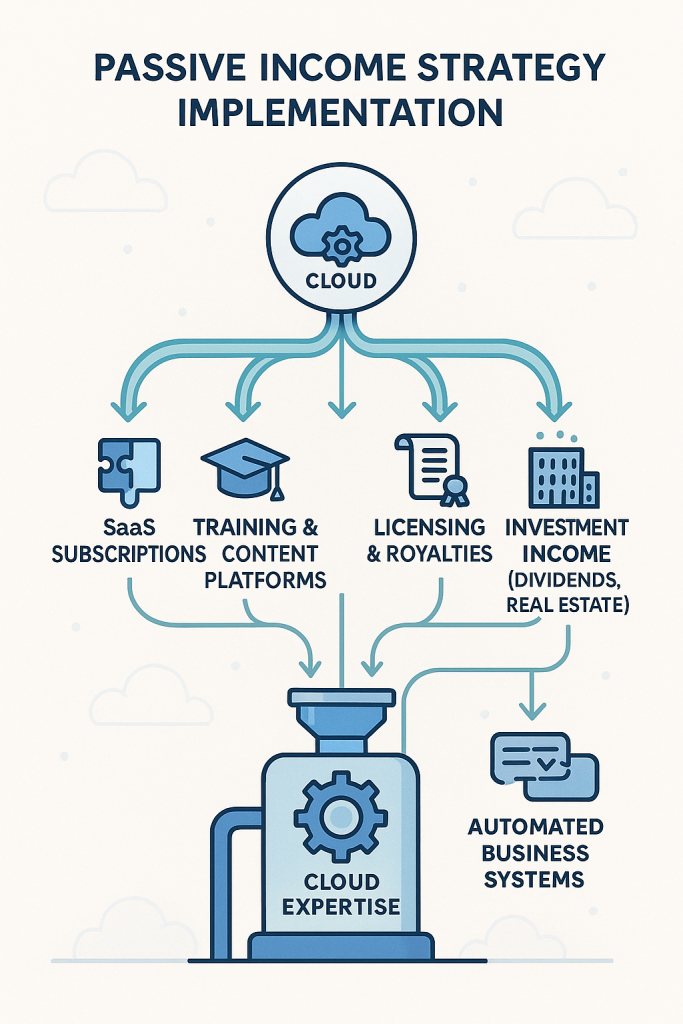
True wealth accumulation requires developing income streams that operate independently of direct time investment whilst providing ongoing financial returns and growth potential.
Recurring Revenue Model Development
Software as a Service (SaaS) Subscription Models Develop SaaS products that provide ongoing value through regular updates, new features, and continuous service delivery whilst generating predictable monthly recurring revenue.
Training and Content Subscription Programs Create subscription-based learning platforms that provide ongoing value through regular content updates, community access, and exclusive resources whilst building recurring revenue streams.
Licensing and Royalty Arrangements License intellectual property including methodologies, templates, or content to other organizations whilst generating ongoing royalty income without direct involvement in implementation or delivery.
Investment Income and Portfolio Development
Dividend-Focused Investment Strategies Build investment portfolios focused on dividend-paying stocks, REITs, or other income-generating assets that provide regular cash flow whilst building long-term wealth.
Real Estate Investment and Rental Income Develop real estate investment portfolios that generate rental income whilst appreciating in value, providing both current income and long-term wealth accumulation.
Business Investment and Equity Participation Invest in other businesses through equity participation, lending arrangements, or partnership structures that provide ongoing returns whilst diversifying income sources.
Automated Business System Development
Marketing Automation and Lead Generation Implement automated marketing systems that generate leads, qualify prospects, and nurture customer relationships without direct involvement whilst maintaining business growth.
Product Development and Launch Automation Create systems for product development, testing, and launch that enable regular release of new offerings whilst maintaining quality standards and market responsiveness.
Customer Success and Retention Automation Develop automated customer success programs that ensure satisfaction, reduce churn, and identify expansion opportunities whilst maintaining strong client relationships.
Risk Management and Portfolio Diversification
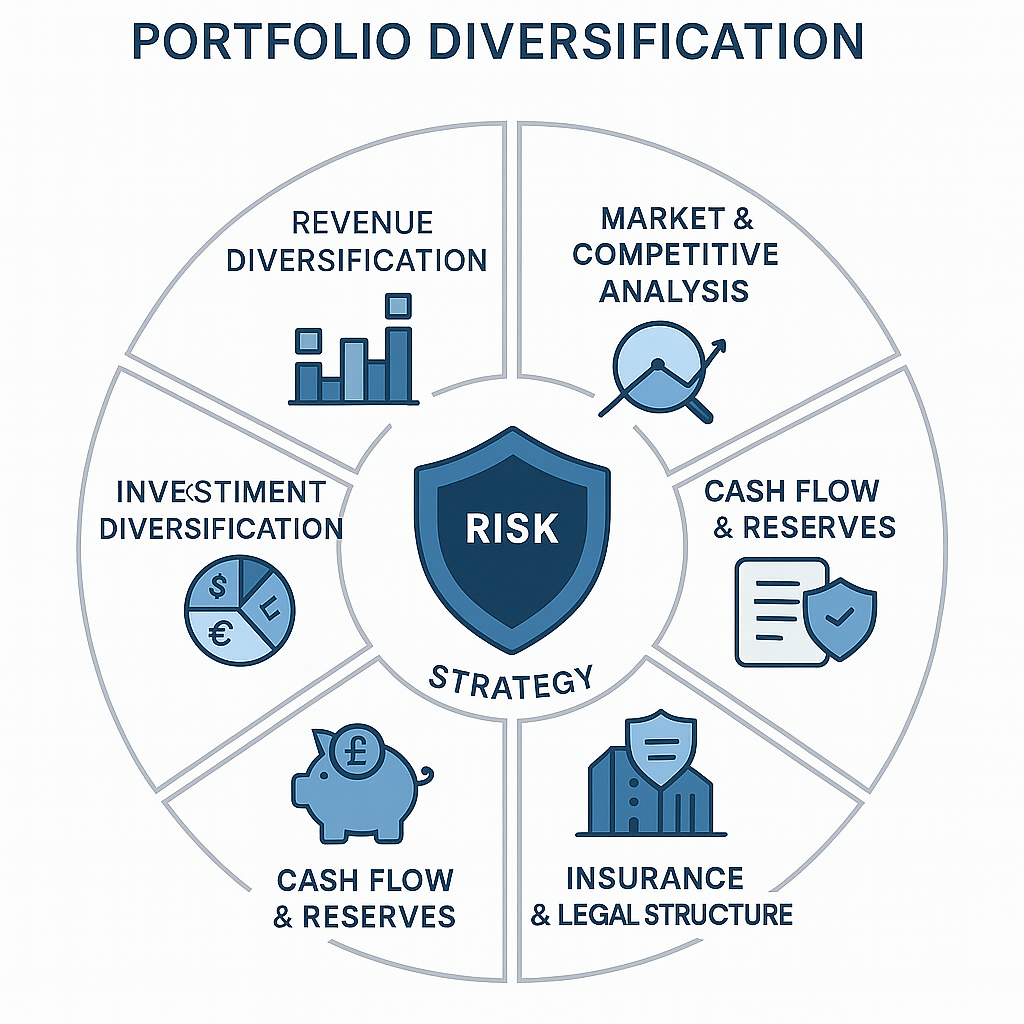
Advanced business strategies involve increased complexity and risk that require sophisticated management approaches to ensure long-term success and wealth preservation.
Business Risk Assessment and Mitigation
Revenue Diversification Strategies Maintain diverse revenue streams across consulting, products, investments, and passive income sources to reduce dependence on any single income source whilst ensuring financial stability.
Market Risk and Competitive Analysis Continuously assess market conditions, competitive threats, and technology evolution that could impact business sustainability whilst developing adaptation strategies for changing conditions.
Operational Risk Management Implement robust operational procedures, quality control systems, and business continuity planning that ensure consistent service delivery whilst protecting business reputation and client relationships.
Financial Risk Protection
Insurance and Liability Coverage Maintain comprehensive insurance coverage including professional liability, cyber security, and business interruption protection that shields personal assets whilst enabling business growth and risk-taking.
Legal Structure Optimization Optimize business legal structures to minimize tax liability, protect personal assets, and enable efficient business operations whilst ensuring compliance with relevant regulations and requirements.
Cash Flow Management and Reserve Planning Maintain adequate cash reserves and credit facilities to handle business fluctuations, investment opportunities, or economic downturns whilst ensuring operational continuity and growth capacity.
Investment Portfolio Balance
Asset Class Diversification Maintain diversified investment portfolios across stocks, bonds, real estate, and alternative investments that provide balanced risk and return profiles whilst protecting against market volatility.
Geographic and Currency Diversification Consider international investments and currency exposure that provide protection against domestic economic issues whilst accessing global growth opportunities.
Liquidity Management and Emergency Planning Maintain appropriate liquidity levels that enable quick response to opportunities or challenges whilst ensuring access to funds for personal and business needs without forced asset sales.
Implementation Timeline and Success Metrics
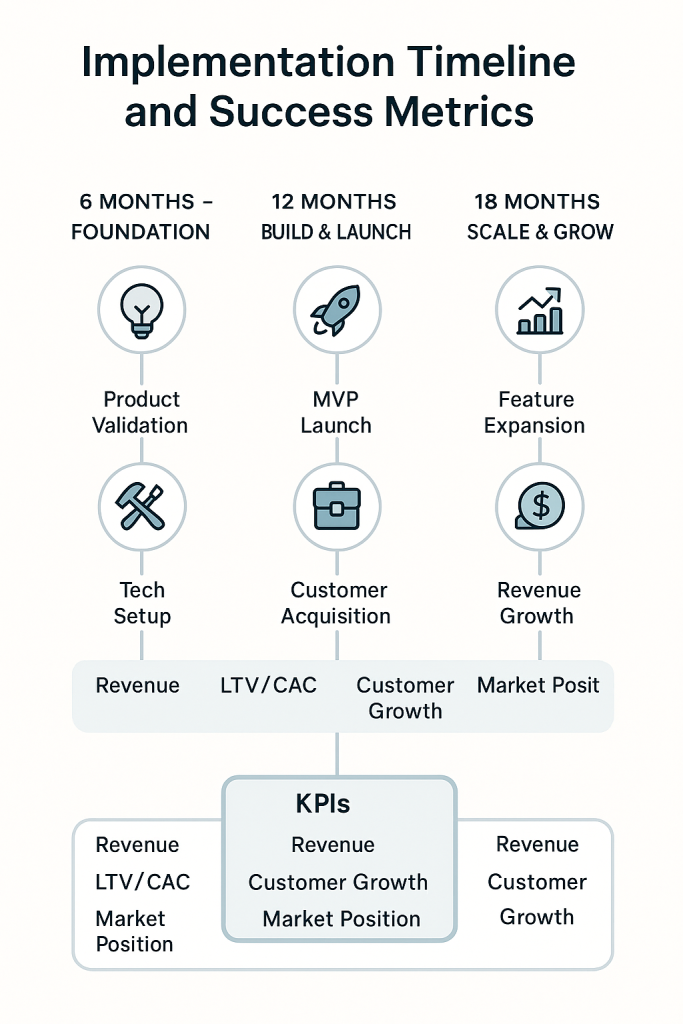
Transitioning from consulting to scalable business requires systematic planning and execution across multiple time horizons with clear success metrics and milestone achievements.
6-Month Foundation Building
Product Concept Development and Validation Identify specific market opportunities based on consulting experience and client feedback, conduct market research and customer validation interviews, and develop detailed product requirements and business models.
Technology Infrastructure Development Establish technology platforms, development environments, and operational systems required for product development and business operations whilst maintaining consulting revenue for cash flow.
Team Building and Resource Assembly Identify skill gaps and begin recruiting key team members, contractors, or partners required for product development and business scaling whilst establishing clear roles and responsibilities.
12-Month Product Development and Launch
Minimum Viable Product (MVP) Development Complete initial product development focusing on core functionality and market validation rather than comprehensive feature sets whilst maintaining quality standards and user experience.
Market Testing and Customer Acquisition Launch initial product versions with early customers to validate market fit, gather feedback, and refine product offerings whilst building initial revenue streams.
Business Process Development and Optimization Establish sales processes, customer success programs, and operational procedures that enable scaling whilst maintaining quality and customer satisfaction.
18-Month Scaling and Growth
Product Enhancement and Feature Expansion Enhance products based on customer feedback and market demands whilst expanding feature sets and service offerings to increase customer value and retention.
Revenue Growth and Diversification Achieve significant revenue growth through product sales, expanded consulting services, or new business lines whilst diversifying income sources and reducing business risk.
Strategic Planning and Investment Preparation Develop long-term strategic plans for continued growth, potential investment raising, or acquisition opportunities whilst building business value and market positioning.
Success Metrics and Key Performance Indicators
Financial Performance Measurement Track revenue growth, profit margins, customer acquisition costs, and lifetime value to ensure business sustainability and growth whilst optimizing operational efficiency.
Market Position and Competitive Analysis Monitor market share, customer satisfaction, and competitive positioning to ensure continued relevance and differentiation whilst identifying expansion opportunities.
Operational Efficiency and Scalability Measure operational metrics including productivity, quality indicators, and scalability ratios to ensure efficient growth whilst maintaining service standards and customer experience.
Strategic Recommendations for Different Business Models
For SaaS Product Development
Problem-Solution Fit Validation Extensively validate market problems and solution fit before significant development investment through customer interviews, prototype testing, and market analysis to ensure product-market alignment.
Technical Architecture and Scalability Planning Design technical architecture that supports growth from initial customers to enterprise scale whilst minimizing operational overhead and ensuring performance and reliability.
Go-to-Market Strategy Development Develop comprehensive marketing and sales strategies that include content marketing, partnership development, and customer success programs for sustainable growth and market penetration.
For Training and Education Businesses
Content Quality and Differentiation Focus on exceptional content quality and unique value propositions that differentiate from existing training options whilst addressing specific market needs and learning objectives.
Delivery Method Optimization Optimize delivery methods for target audiences including online, blended, and in-person options that maximize learning effectiveness whilst enabling operational efficiency and scaling.
Community Building and Engagement Build engaged learning communities that provide ongoing value beyond initial training whilst creating retention and referral opportunities for sustainable growth.
For Platform and Marketplace Development
Network Effects and Community Building Focus on creating network effects where platform value increases with user participation whilst building engaged communities that provide ongoing value and retention.
Quality Control and Trust Systems Implement robust quality control and trust systems that ensure platform integrity whilst building user confidence and long-term sustainability.
Revenue Model Optimization Test and optimize revenue models including transaction fees, subscriptions, and premium services to maximize profitability whilst maintaining competitive positioning and user satisfaction.
Long-Term Wealth Creation and Exit Strategies
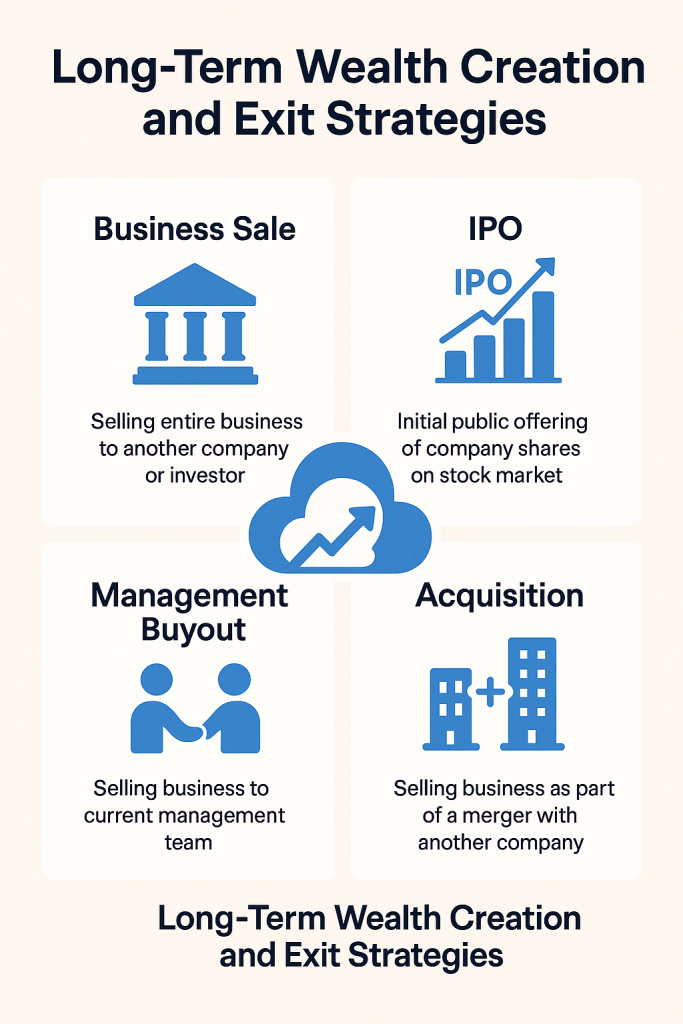
Building scalable businesses creates opportunities for significant wealth realization through business sales, investment exits, or ongoing asset appreciation that provide financial independence and legacy creation.
Business Valuation and Value Creation
Revenue Multiple Optimization Technology businesses often sell for 3-10x annual revenue depending on growth rates, market position, and business model sustainability. Focus on metrics that drive higher valuation multiples.
Asset Development and Intellectual Property Build valuable assets including intellectual property, customer databases, technology platforms, and brand recognition that create transferable value beyond current operations.
Growth Story and Market Positioning Develop compelling growth narratives and market positioning that attract investors or acquirers whilst demonstrating scalability and long-term value potential.
Exit Strategy Planning and Execution
Strategic Buyer Identification Identify potential strategic buyers including competitors, technology companies, or private equity firms that would value your business assets and market position whilst providing premium valuations.
Financial Performance Optimization Optimize financial performance and operational metrics that appeal to potential buyers whilst ensuring business sustainability and growth continuation under new ownership.
Professional Advisory Team Assembly Engage experienced investment bankers, accountants, and legal advisors who specialize in technology business transactions whilst ensuring optimal deal structure and valuation achievement.
Wealth Preservation and Legacy Planning
Tax Optimization and Structure Planning Optimize tax structures for business sale proceeds whilst ensuring compliance with relevant regulations and maximizing after-tax wealth retention for long-term financial security.
Investment Diversification and Risk Management Diversify sale proceeds across multiple asset classes and investment strategies that provide ongoing income whilst preserving wealth for long-term financial independence.
Legacy Planning and Wealth Transfer Consider long-term legacy planning including family wealth transfer, charitable giving, and continued business involvement that provides ongoing purpose whilst creating lasting impact.
Getting Started: Your Strategic Assessment and Action Plan
The transition from consulting to scalable business requires honest assessment of current capabilities, market opportunities, and resource requirements whilst developing systematic implementation plans.
Capability Assessment and Gap Analysis Evaluate current technical skills, business acumen, and resource availability against requirements for chosen business models whilst identifying development needs and resource requirements.
Market Opportunity Research and Validation Conduct comprehensive market research including competitive analysis, customer needs assessment, and opportunity sizing to validate business concepts whilst reducing execution risk.
Resource Planning and Investment Strategy Develop detailed resource plans including financial requirements, time commitments, and team building needs whilst ensuring adequate preparation for chosen business development paths.
The evolution from cloud consultant to business owner represents the ultimate expression of professional expertise whilst creating opportunities for substantial wealth accumulation and long-term financial independence. Success requires strategic thinking, systematic execution, and continuous adaptation to changing market conditions whilst maintaining focus on value creation and customer satisfaction.
The key insight: Scalable businesses leverage expertise to create value beyond direct time investment whilst building assets that generate ongoing returns and wealth accumulation opportunities. The most successful cloud professionals combine technical expertise with business acumen to create sustainable competitive advantages and long-term value.
Next Week Preview: We’ll explore leadership and management strategies for cloud professionals, including team building, organizational transformation, and C-suite positioning that leverages technical expertise for executive career advancement.
The journey from individual contributor to business owner requires courage, planning, and execution, but provides unparalleled opportunities for wealth creation and professional fulfillment.
Useful Resources for Advanced Business Development:
- SaaS Metrics and KPIs Guide
- UK Business Investment and Tax Guides
- Intellectual Property Protection
- Technology Business Valuation Resources
Ready to build your scalable cloud business? Share your current situation and business ideas in the comments—I’ll provide specific recommendations for your market opportunity and implementation strategy.