
The ultimate expression of cloud expertise isn’t just technical mastery or business success—it’s the ability to lead organizations through digital transformation whilst building and inspiring high-performing teams. As cloud adoption becomes central to business strategy, technical leaders who can bridge technology and business outcomes command exceptional compensation, influence, and career satisfaction.
This final week of our series explores the transition from individual contributor or business owner to organizational leader. Whether you’re targeting CTO roles, leading cloud transformation initiatives, or building technology teams, these leadership strategies will help you leverage your technical expertise for maximum organizational impact whilst achieving the highest levels of professional success.
The Leadership Imperative: Why Technical Expertise Alone Isn’t Enough
Organizations worldwide face a critical shortage of leaders who combine deep technical knowledge with business acumen and team leadership capabilities. Pure technical experts struggle with organizational dynamics, whilst traditional managers lack the technical depth needed for cloud-era decision making.
The Modern Technology Leadership Landscape
Executive Compensation and Opportunity Cloud-savvy CTOs in the UK command £150,000-£400,000+ compensation packages, whilst Chief Digital Officers and VP Engineering roles reach £200,000-£500,000 depending on organization size and scope. These roles provide not just exceptional compensation, but significant equity participation and strategic influence.
Organizational Impact and Strategic Influence Technology leaders drive organizational strategy, resource allocation, and competitive positioning in ways that individual contributors cannot. This strategic influence creates professional satisfaction whilst enabling substantial business impact and wealth creation opportunities.
Team Building and Talent Development Leading high-performing technology teams provides unique satisfaction whilst building professional networks and developing future industry leaders. Strong teams create competitive advantages whilst providing career advancement opportunities for all participants.
The Technical Leader’s Advantage
Technical Credibility and Decision Authority Technical leaders with genuine expertise command respect and trust that enables effective decision making and team leadership. This credibility accelerates organizational change whilst reducing implementation risks and political resistance.
Strategic Technology Vision Understanding both technical possibilities and business constraints enables development of realistic technology strategies that deliver business value whilst managing organizational risk and resource requirements.
Innovation and Competitive Advantage Technical leaders can identify and implement innovative solutions that create competitive advantages whilst avoiding technology pitfalls that damage organizational performance and competitive positioning.
Leadership Fundamentals: Building Your Executive Skillset
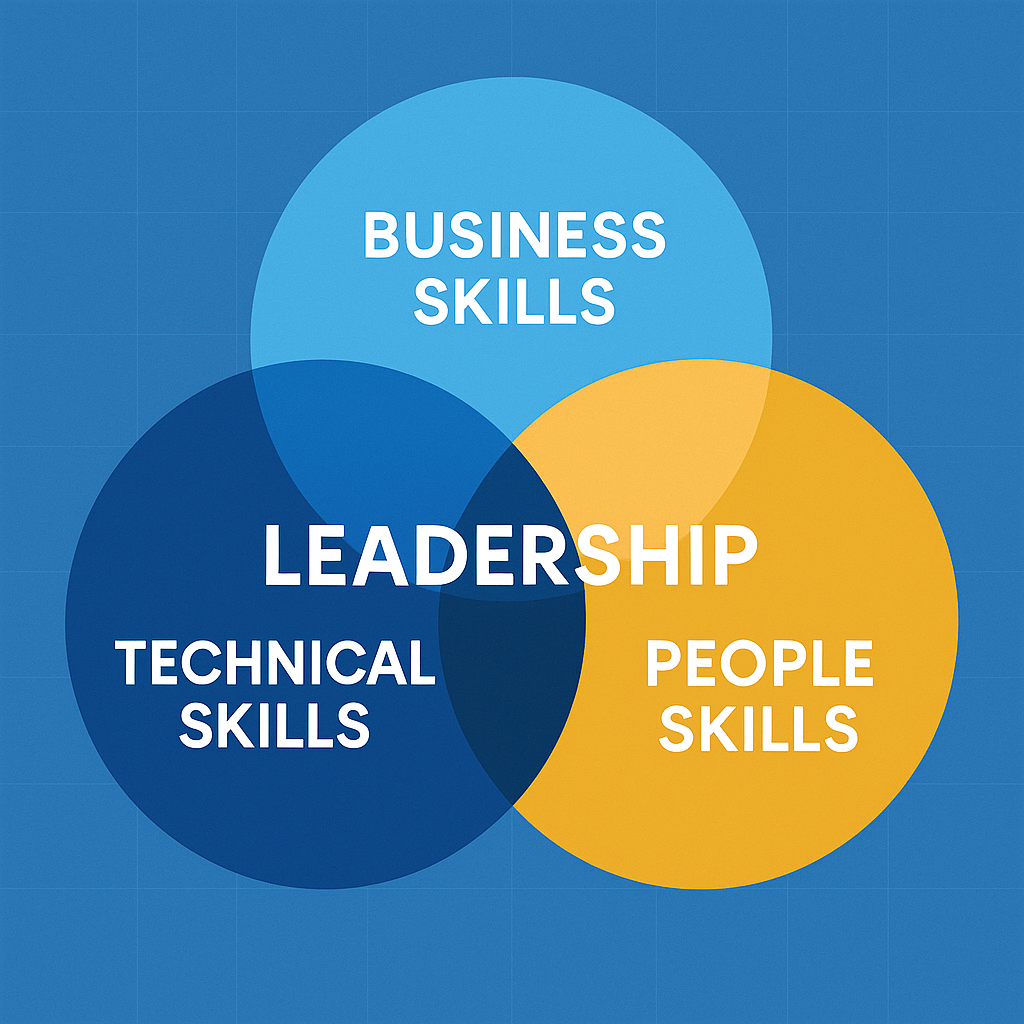
Successful technology leadership requires developing capabilities beyond technical expertise including strategic thinking, communication skills, and organizational dynamics understanding.
Strategic Thinking and Business Acumen
Business Model Understanding and Value Creation Technology leaders must understand how technology investments create business value, affect competitive positioning, and influence organizational strategy. This requires knowledge of business models, market dynamics, and financial management beyond pure technical considerations.
Financial Management and Budget Planning Technology budgets often represent 15-25% of organizational spending, requiring sophisticated financial management including ROI analysis, budget planning, vendor negotiation, and cost optimization strategies that balance technical requirements with business constraints.
Risk Management and Governance Technology leaders manage significant organizational risks including security threats, compliance requirements, operational continuity, and strategic technology decisions that affect long-term competitiveness and organizational sustainability.
Communication and Stakeholder Management
Executive Communication and Board Presentation Technology leaders must communicate complex technical concepts to business executives, board members, and stakeholders who lack technical background but require understanding for strategic decision making and resource allocation.
Cross-Functional Collaboration and Influence Modern technology initiatives require collaboration across sales, marketing, operations, finance, and other business functions, demanding influence and negotiation skills that enable successful organizational change and project delivery.
External Stakeholder Management Technology leaders often manage relationships with vendors, partners, customers, and industry organizations that affect organizational success whilst building professional networks and industry influence.
Team Leadership and Talent Development
Hiring and Team Building Excellence Building high-performing technology teams requires sophisticated hiring strategies, team composition planning, and cultural development that attracts top talent whilst creating productive and satisfying work environments.
Performance Management and Career Development Technology leaders must develop team members through clear performance expectations, regular feedback, skill development opportunities, and career advancement planning that retains talent whilst building organizational capabilities.
Change Management and Organizational Transformation Leading organizational technology transformations requires sophisticated change management skills including communication strategies, training programs, and cultural change initiatives that enable successful adoption and business value realization.
Technology Strategy and Digital Transformation Leadership
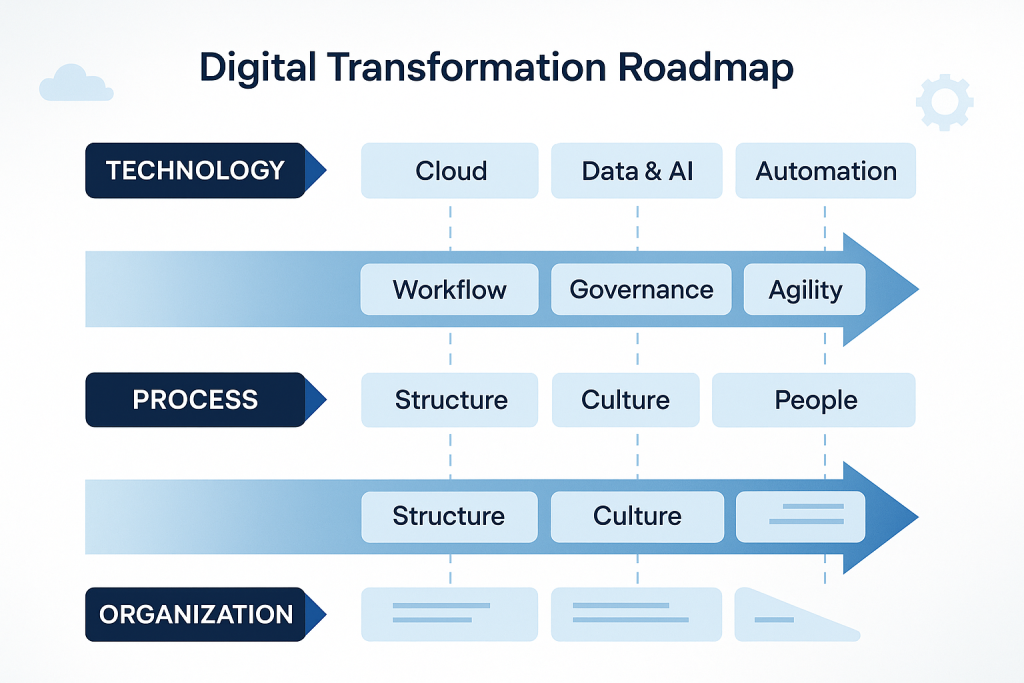
The most successful technology leaders drive comprehensive digital transformation that affects all aspects of organizational operations whilst delivering measurable business outcomes and competitive advantages.
Strategic Technology Planning
Technology Roadmap Development and Execution Develop comprehensive technology roadmaps that align with business strategy whilst managing technical debt, platform evolution, and emerging technology integration. These roadmaps must balance innovation with stability whilst enabling organizational growth and adaptation.
Architecture and Platform Strategy Design and implement technology architectures that support current operations whilst enabling future growth, innovation, and adaptability. Consider cloud platforms, data strategies, security frameworks, and integration approaches that create sustainable competitive advantages.
Vendor Management and Technology Selection Manage complex vendor relationships and technology selection processes that affect organizational capabilities, costs, and risks. Develop vendor strategies that optimize cost, performance, and innovation whilst maintaining operational flexibility and avoiding vendor lock-in.
Cloud Transformation Leadership
Enterprise Cloud Strategy Development Lead comprehensive cloud transformation initiatives that affect infrastructure, applications, data, and operational processes whilst managing risks, costs, and organizational change requirements for successful adoption and value realization.
Security and Compliance Framework Implementation Implement comprehensive security and compliance frameworks that protect organizational assets whilst enabling business agility and innovation. Consider regulatory requirements, industry standards, and emerging threats that affect strategy and implementation.
Cost Optimization and Financial Management Develop sophisticated cloud cost management strategies that optimize spending whilst enabling innovation and growth. Implement FinOps practices, budget management, and optimization programs that demonstrate business value and enable continued investment.
Innovation and Emerging Technology Integration
Artificial Intelligence and Machine Learning Strategy Develop AI/ML strategies that create business value through automation, analytics, and enhanced customer experiences whilst managing implementation risks and organizational change requirements.
Data Strategy and Analytics Capabilities Build comprehensive data strategies that enable analytics, reporting, and decision making capabilities whilst ensuring data governance, privacy, and security requirements for sustainable competitive advantages.
Emerging Technology Evaluation and Integration Systematically evaluate and integrate emerging technologies including edge computing, IoT, blockchain, and quantum computing that provide competitive advantages whilst managing implementation risks and resource requirements.
Building and Leading High-Performance Teams
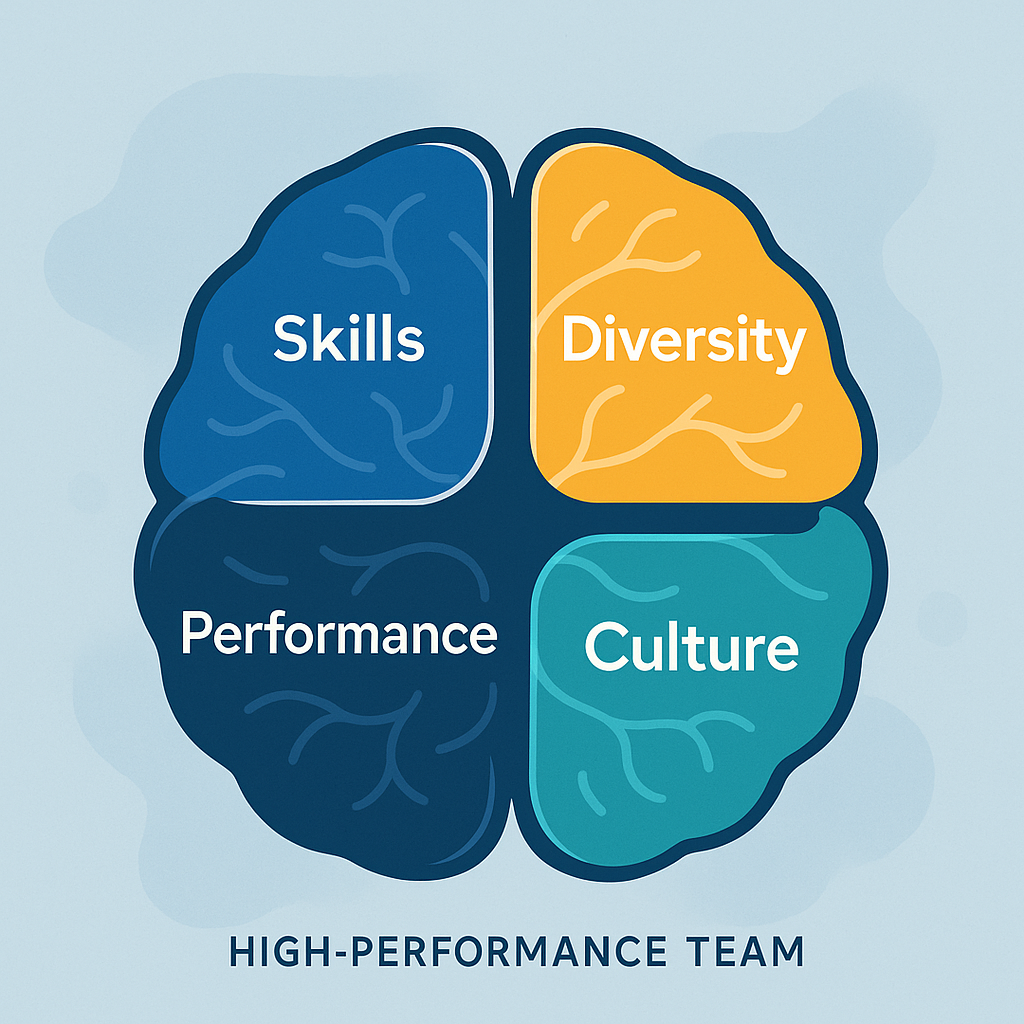
The most successful technology leaders build teams that consistently deliver exceptional results whilst creating satisfying and growth-oriented work environments that attract and retain top talent.
Team Structure and Organizational Design
Agile Team Structures and Cross-Functional Collaboration Design team structures that enable rapid delivery, innovation, and adaptation whilst maintaining quality standards and business alignment. Consider agile methodologies, DevOps practices, and cross-functional collaboration that accelerate delivery and improve outcomes.
Skills Development and Capability Building Develop comprehensive skill development programs that enable team members to grow capabilities whilst building organizational knowledge and competitive advantages. Include certification programs, training initiatives, and mentoring systems that support career advancement.
Remote and Distributed Team Management Implement effective management practices for remote and distributed teams that maintain productivity, collaboration, and cultural cohesion whilst accessing global talent and providing work flexibility that attracts top performers.
Talent Acquisition and Retention Strategies
Strategic Hiring and Talent Pipeline Development Develop sophisticated hiring strategies that identify, attract, and recruit top technology talent in competitive markets. Consider employer branding, compensation strategies, and unique value propositions that differentiate your organization.
Retention and Engagement Programs Implement comprehensive retention programs that address compensation, career development, work environment, and cultural factors that affect employee satisfaction and organizational loyalty whilst reducing turnover costs.
Diversity and Inclusion Initiatives Build diverse and inclusive teams that provide varied perspectives, improved decision making, and enhanced innovation whilst creating welcoming environments that attract talent from all backgrounds and experiences.
Performance Management and Results Delivery
Goal Setting and Performance Measurement Implement clear goal setting and performance measurement systems that align individual and team objectives with business outcomes whilst providing regular feedback and recognition that motivates high performance.
Quality Assurance and Continuous Improvement Establish quality standards and continuous improvement processes that ensure consistent delivery excellence whilst enabling innovation and adaptation that maintains competitive advantages and customer satisfaction.
Innovation and Experimentation Culture Foster innovation culture that encourages experimentation, learning, and calculated risk-taking whilst maintaining operational excellence and business alignment that drives competitive advantages and organizational growth.
Executive Career Advancement and C-Suite Positioning
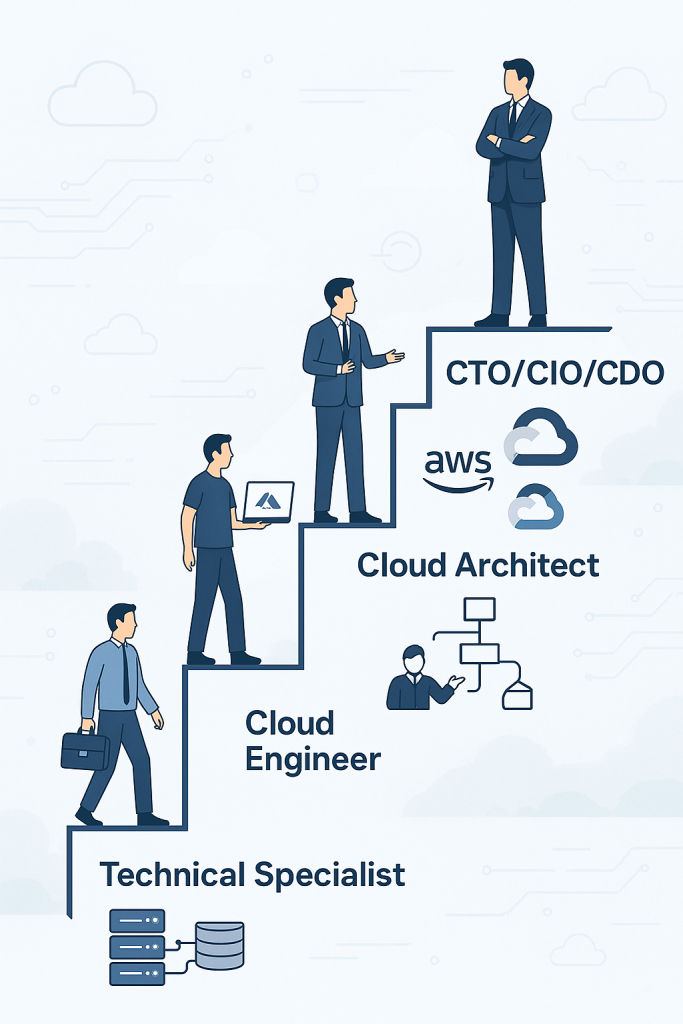
Advancing to C-suite positions requires strategic career positioning, network development, and demonstrated business impact that distinguishes candidates from pure technical managers or business leaders without technical depth.
C-Suite Role Preparation and Positioning
Chief Technology Officer (CTO) Pathway CTO roles require combining technical vision with business strategy, team leadership, and organizational influence. Prepare through platform architecture experience, team building success, and demonstrated business impact that justifies C-suite compensation and responsibility.
Chief Information Officer (CIO) Evolution Modern CIO roles focus on business enablement, digital transformation, and organizational change rather than traditional IT management. Position yourself through business partnership experience, transformation leadership, and strategic thinking demonstration.
Chief Digital Officer (CDO) Opportunities CDO roles emerge as organizations prioritize digital transformation and customer experience improvement. These positions require combining technology expertise with marketing, operations, and customer experience understanding for comprehensive digital strategy.
Board Advisory and Industry Leadership
Board Advisory Role Development Technology expertise provides valuable board advisory opportunities that generate additional income whilst building professional networks and industry influence. Prepare through communication skills, business acumen, and demonstrated judgment in strategic technology decisions.
Industry Leadership and Thought Leadership Establish industry leadership through speaking engagements, publication writing, conference participation, and professional association involvement that builds recognition whilst contributing to industry advancement and professional network development.
Startup Advisory and Investment Opportunities Technology leaders often provide startup advisory services and early-stage investment opportunities that generate additional income whilst building industry relationships and accessing emerging technology innovations.
Executive Search and Career Management
Executive Search Process and Positioning Executive search processes for C-suite technology roles involve comprehensive assessment of technical competency, leadership capability, and cultural fit that requires careful preparation and positioning for successful outcomes.
Professional Network Development and Relationship Building Build strategic professional networks that include executive recruiters, industry leaders, and potential employers through systematic relationship development and maintenance that creates career advancement opportunities.
Compensation Negotiation and Package Optimization C-suite compensation packages include base salary, bonuses, equity participation, and various benefits that require sophisticated negotiation skills and market knowledge for optimal financial outcomes and career satisfaction.
Organizational Change and Digital Transformation
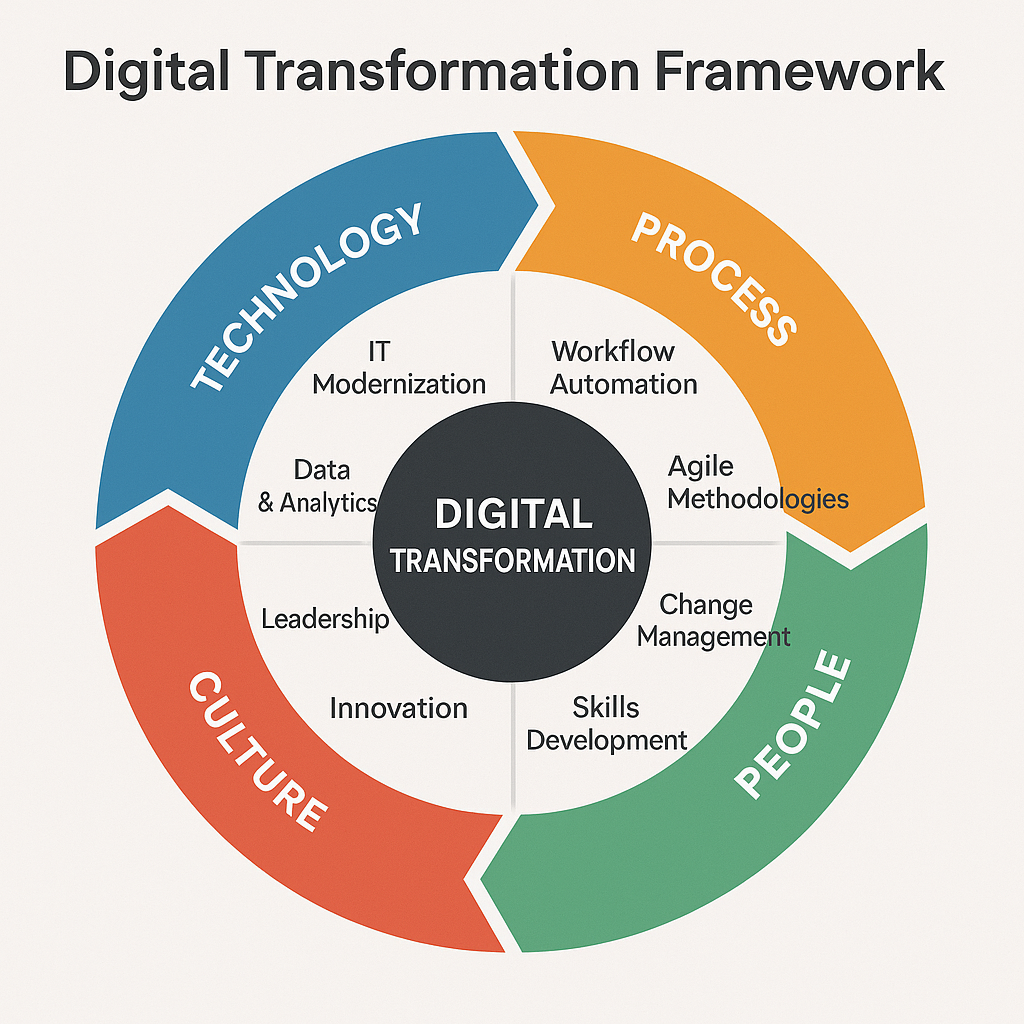
Leading successful organizational transformation requires sophisticated change management skills that address technology, process, and cultural factors whilst delivering measurable business outcomes and competitive advantages.
Change Management and Transformation Leadership
Transformation Strategy and Vision Development Develop compelling transformation strategies that articulate business vision, technology roadmaps, and implementation approaches whilst building organizational support and resource allocation for successful execution and outcome achievement.
Stakeholder Engagement and Communication Strategy Implement comprehensive stakeholder engagement strategies that address concerns, build support, and maintain momentum throughout transformation initiatives whilst managing resistance and ensuring organizational alignment.
Cultural Change and Adoption Management Lead cultural change initiatives that affect work practices, collaboration approaches, and organizational mindset whilst maintaining productivity and employee satisfaction during transition periods and beyond.
Implementation and Execution Excellence
Project Management and Delivery Coordination Coordinate complex transformation projects that involve multiple teams, vendors, and stakeholders whilst maintaining quality standards, timeline adherence, and budget control for successful outcome delivery and business value realization.
Risk Management and Contingency Planning Implement comprehensive risk management strategies that identify, assess, and mitigate transformation risks whilst maintaining operational continuity and minimizing business disruption during change initiatives.
Success Measurement and Value Demonstration Establish clear success metrics and measurement systems that demonstrate transformation value whilst enabling continuous improvement and adaptation that maximizes business outcomes and competitive advantages.
Technology Integration and Platform Modernization
Legacy System Migration and Modernization Lead complex migration projects that modernize legacy systems whilst maintaining operational continuity and minimizing business risk through careful planning, execution, and quality assurance processes.
Cloud Platform Implementation and Optimization Implement comprehensive cloud strategies that optimize performance, cost, and security whilst enabling business agility and innovation through careful platform selection, architecture design, and operational excellence.
Data Integration and Analytics Platform Development Build comprehensive data strategies that enable analytics, reporting, and decision making whilst ensuring data quality, governance, and security requirements for sustainable competitive advantages and business insight generation.
Advanced Leadership Competencies
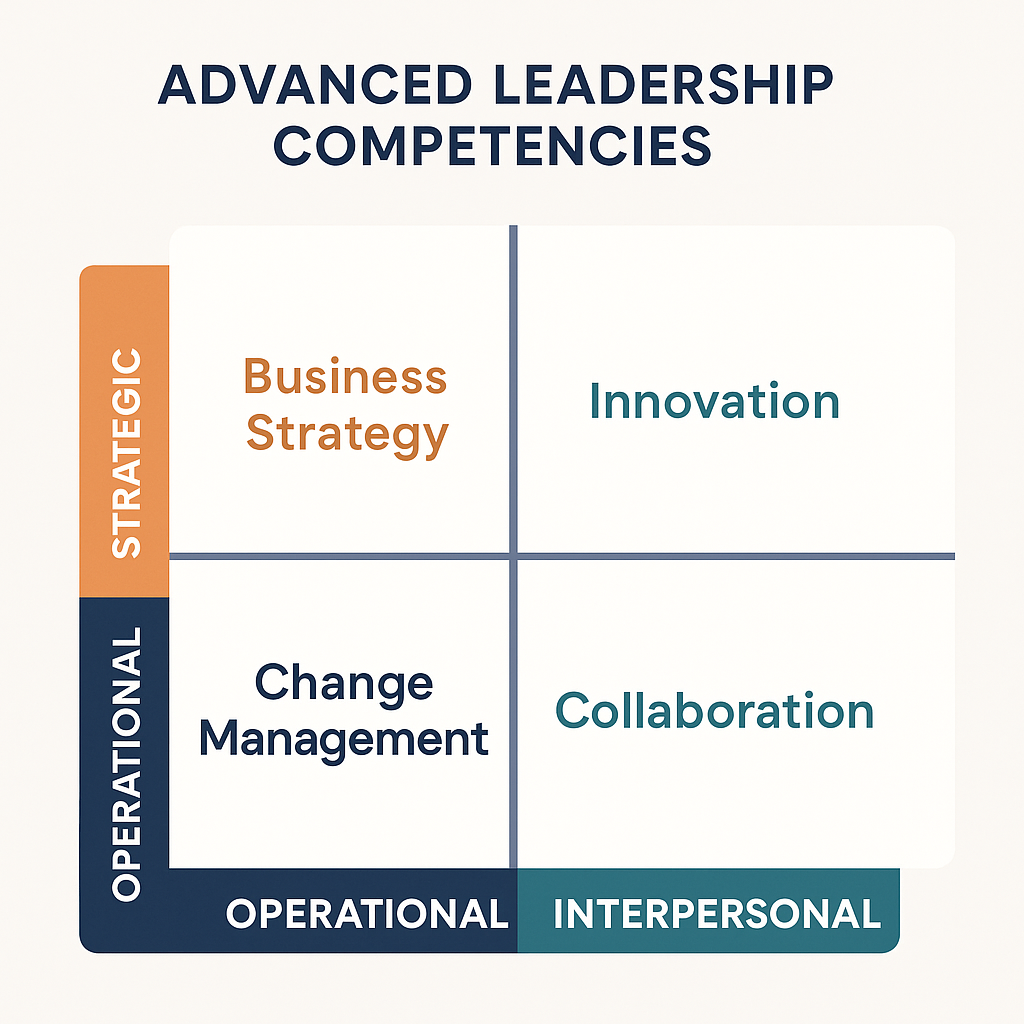
The most successful technology leaders develop sophisticated competencies that enable them to operate effectively in complex organizational environments whilst driving innovation and business results.
Strategic Leadership and Business Partnership
Business Strategy Integration and Technology Alignment Integrate technology strategy with business strategy whilst ensuring technology investments support business objectives and competitive positioning through careful analysis, planning, and execution coordination.
Customer Experience and Market Understanding Understand customer needs, market dynamics, and competitive positioning that inform technology strategy whilst ensuring customer satisfaction and business growth through technology-enabled innovation and service improvement.
Financial Management and Investment Optimization Manage technology budgets and investments whilst demonstrating ROI and business value through careful planning, execution, and measurement that justifies continued investment and organizational support.
Innovation Leadership and Technology Vision
Emerging Technology Assessment and Integration Systematically assess and integrate emerging technologies that provide competitive advantages whilst managing implementation risks and resource requirements through careful evaluation and pilot programs.
Innovation Culture and Experimentation Programs Foster innovation culture that encourages experimentation and calculated risk-taking whilst maintaining operational excellence and business alignment through clear frameworks and success measurement.
Intellectual Property and Competitive Advantage Development Develop intellectual property and competitive advantages through technology innovation whilst protecting organizational assets and maintaining competitive positioning through strategic planning and execution.
Global Leadership and Market Expansion
International Operations and Global Team Management Manage global technology operations and distributed teams whilst addressing cultural differences, regulatory requirements, and operational complexities that affect successful execution and business outcomes.
Partnership Development and Ecosystem Management Build strategic partnerships and technology ecosystems that provide competitive advantages whilst managing vendor relationships and alliance strategies that optimize cost, performance, and innovation opportunities.
Market Expansion and Technology Localization Lead technology initiatives that support market expansion whilst addressing local requirements, regulatory compliance, and cultural considerations that enable successful international growth and business development.
Success Measurement and Career Development
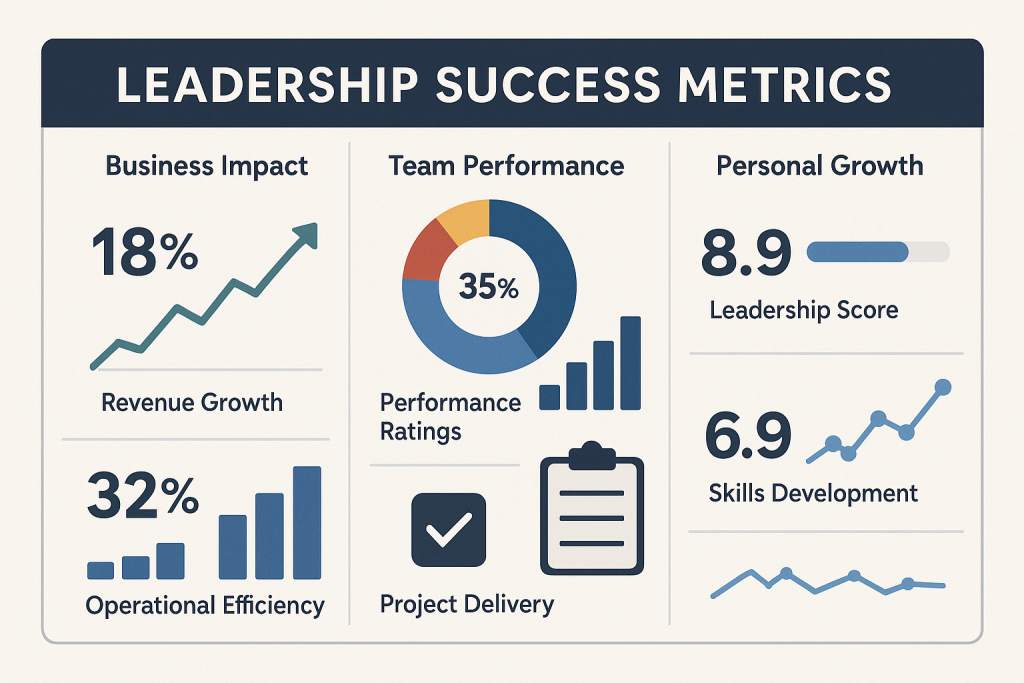
Successful technology leadership requires systematic measurement and continuous development across multiple dimensions including business impact, team performance, and personal growth.
Business Impact and Performance Metrics
Revenue Growth and Business Contribution Measure technology contributions to revenue growth, market expansion, and competitive positioning whilst demonstrating clear business value and ROI that justifies technology investments and leadership compensation.
Operational Excellence and Efficiency Improvement Track operational improvements including cost reduction, process automation, and productivity enhancement whilst maintaining quality standards and customer satisfaction that support business objectives and competitive advantages.
Innovation and Competitive Advantage Creation Measure innovation outcomes including new product development, market differentiation, and intellectual property creation whilst demonstrating competitive advantages and business value that support organizational growth and market positioning.
Team Performance and Development Indicators
Team Productivity and Delivery Excellence Monitor team performance including project delivery, quality standards, and customer satisfaction whilst ensuring consistent execution and continuous improvement that supports business objectives and team development.
Talent Development and Retention Success Track talent development including skill advancement, career progression, and retention rates whilst building organizational capabilities and competitive advantages through human capital investment and development.
Culture and Engagement Measurement Assess team culture and engagement through surveys, feedback, and performance indicators whilst creating positive work environments that attract talent and support high performance and innovation.
Personal Leadership Development
Leadership Competency Assessment and Growth Systematically assess and develop leadership competencies including strategic thinking, communication skills, and emotional intelligence whilst building capabilities that support career advancement and organizational effectiveness.
Industry Recognition and Professional Network Development Build industry recognition through thought leadership, speaking engagements, and professional association participation whilst developing networks that provide career opportunities and business development prospects.
Continuous Learning and Skill Development Maintain current knowledge and skills through continuing education, certification advancement, and industry participation whilst adapting to changing technology and business requirements that affect leadership effectiveness.
Strategic Recommendations for Leadership Development
For Emerging Technical Leaders
Leadership Training and Skill Development Invest systematically in leadership training including communication skills, business acumen, and team management capabilities whilst building experience through progressive responsibility and project leadership opportunities.
Cross-Functional Experience and Business Understanding Gain experience across different business functions including sales, marketing, and operations whilst building understanding of business dynamics and stakeholder requirements that affect technology strategy and implementation.
Mentoring and Professional Network Development Build relationships with experienced leaders who can provide guidance, feedback, and career development support whilst expanding professional networks that create advancement opportunities and industry insights.
For Experienced Managers
Strategic Thinking and Vision Development Develop strategic thinking capabilities through business education, industry analysis, and strategic planning experience whilst building ability to create compelling technology visions that align with business objectives.
Executive Communication and Stakeholder Management Enhance communication skills for executive audiences including board presentations, investor meetings, and stakeholder management whilst building credibility and influence that support leadership effectiveness.
Organizational Change and Transformation Leadership Build experience leading organizational change initiatives including technology transformation, process improvement, and cultural change whilst developing capabilities that enable successful large-scale change management.
For Senior Leaders and Executives
Board Advisory and Industry Leadership Pursue board advisory opportunities and industry leadership roles that provide additional income whilst building industry influence and professional recognition that support career advancement and business development.
Investment and Acquisition Participation Consider investment opportunities and acquisition participation that leverage industry expertise whilst building wealth and professional networks that provide additional business development and career opportunities.
Thought Leadership and Legacy Building Develop thought leadership through writing, speaking, and industry contribution whilst building professional legacy and industry impact that provide satisfaction and continued influence beyond executive roles.
Long-Term Career Vision and Legacy Development
The ultimate success in technology leadership involves creating lasting impact through organizational transformation, industry advancement, and talent development whilst building substantial wealth and professional satisfaction.
Organizational Impact and Business Transformation Focus on creating lasting organizational value through technology transformation, competitive advantage development, and business model innovation whilst building professional reputation and industry influence.
Industry Advancement and Professional Contribution Contribute to industry advancement through thought leadership, standard development, and professional mentoring whilst building networks and recognition that provide continued opportunities and influence.
Wealth Creation and Financial Independence Leverage leadership positions for substantial wealth creation through compensation optimization, equity participation, and investment opportunities whilst building financial independence and legacy assets.
Talent Development and Professional Legacy Develop future industry leaders through mentoring, team building, and organizational development whilst creating professional legacy and continued influence that extends beyond direct leadership roles.
The journey from technical expert to executive leader represents the pinnacle of cloud professional development whilst providing exceptional compensation, influence, and career satisfaction. Success requires systematic development of leadership capabilities whilst maintaining technical credibility and building business acumen that enables effective organizational leadership.
The key insight: Technology leadership success requires more than technical expertise—it demands business acumen, communication skills, and organizational influence that enable transformation and competitive advantage creation whilst building high-performing teams and delivering measurable business outcomes.
Series Conclusion
Over these eight weeks, we’ve explored the complete journey from cloud certification strategy through technical expertise, practical skills, business development, wealth creation, and ultimately executive leadership. This progression represents the full spectrum of opportunities available to cloud professionals willing to invest in systematic career development and strategic positioning.
The cloud industry provides unprecedented opportunities for career advancement, wealth creation, and professional impact. Success requires combining technical expertise with business acumen, leadership capabilities, and strategic thinking whilst maintaining adaptability and continuous learning in a rapidly evolving field.
Your cloud expertise is more than a career skill—it’s a foundation for business success, wealth creation, and industry leadership that can provide exceptional financial returns whilst enabling significant organizational and industry impact.
Useful Resources for Leadership Development:
- MIT Sloan Executive Education
- Executive Search Firm Directories
- Board Advisory Training Programs
- Technology Leadership Communities
Ready to transition into technology leadership? Share your current leadership experience and career aspirations in the comments—I’ll provide specific recommendations for your advancement strategy and development priorities.